
Oak flooring
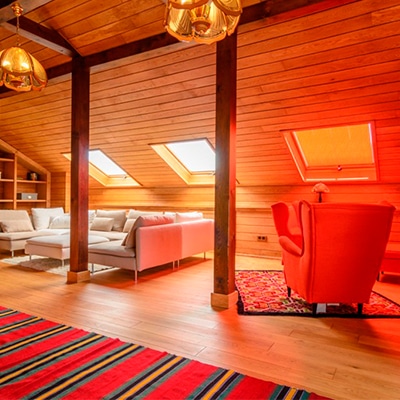
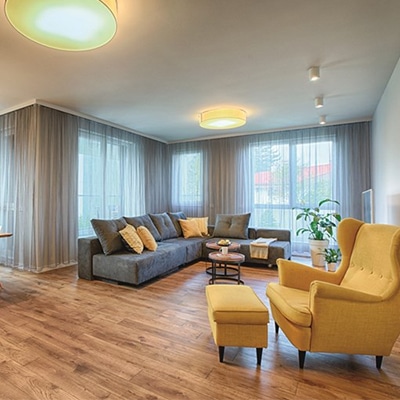
Parquet and Plank flooring from Forest Trade
Parquet and plank combine natural beauty with exceptional durability. Wood brings warmth and a unique charm to any space. Whether you prefer the intricate patterns of parquet or the wide planks of decking, the result is always stylish and elegant.
If you’re looking for a flooring with a sophisticated appearance, choose parquet. If you prefer a more natural, warm, and traditional style, plank is your best choice.
Advantages of Oak Parquet
Oak parquet is one of the most popular flooring options and offers several key advantages that make it so valuable:
- Exceptional Durability and Hardness: Oak is a hardwood, resistant to pressure, wear, and impacts. This means oak parquet maintains its shape and appearance even with intense use, making it suitable for homes, offices, and public spaces.
- Longevity: With proper maintenance, oak parquet can last for decades. It can be sanded and refinished multiple times, which extends its lifespan and allows you to change the color or finish.
- Classic and Versatile Look: Oak has a natural and elegant aesthetic that fits both classic and modern interiors. Its rich variety of shades and colors provides many design possibilities.
- Good Moisture Resistance: Compared to other hardwoods, oak is less prone to warping from moderate humidity, making it suitable for various rooms, including kitchens and dining areas (but not for bathrooms).
- Easy Maintenance: Its smooth surface and durable finish make cleaning simple. Regular vacuuming and a light wipe with a damp cloth are all that’s needed.
- Natural Antiseptic Properties: Oak wood contains tannins, which have natural antiseptic qualities that inhibit the growth of bacteria and mold.
- Ecological and Healthy Choice: Oak is a natural material that does not release harmful substances, contributing to a healthier indoor climate.
Advantages of Plank flooring
- Natural Warmth and Coziness: Plank is crafted from solid wood, bringing a natural warmth to any interior. It creates a sense of home comfort and is a pleasant surface for walking barefoot.
- Longevity and Strength: High-quality decking, especially from a hardwood like oak, can serve you for decades. With proper maintenance and periodic sanding, it maintains its original appearance.
- Can Be Refinished Multiple Times: Since it is entirely made of solid wood, the plank can be sanded and varnished or oiled repeatedly. This allows you to change the color and finish to match new interior designs.
- Classic Style: Plank has a traditional look and natural pattern that never goes out of style. It fits both retro and modern interior concepts.
- Good Thermal and Sound Insulation: Solid wood has natural insulating properties, which help to retain heat in a room and reduce noise from footsteps.
- Natural and Ecological Material: Plank does not contain synthetic materials. It is an excellent choice for people who value a healthy and ecological home environment.
- Suitable for Restorations and Vintage Interiors: Decking is often preferred for renovating old houses, villas, and buildings of historical value as it preserves the authentic spirit of the space.
Frequently Asked Questions
1. What is the difference between parquet and plank flooring?
Parquet consists of smaller elements (strips) that are arranged into various patterns, while plank is made of wide, solid wood planks. Parquet typically has a more refined and precise design, while plank offers a more natural and traditional look.
2. What is the difference between solid and multilayer parquet?
-
Solid Parquet: Made entirely of natural wood (usually oak, beech, ash, or another hardwood). Its thickness is typically between 18 and 22 mm, which allows for multiple sanding and restoration cycles. It is extremely durable and can last over 50 years with good maintenance. Solid parquet is more sensitive to moisture and temperature fluctuations, so it’s recommended for rooms with a stable climate.
-
Multilayered Parquet: Consists of several layers—the top layer is made of a noble wood (oak, ash, etc.), and the lower layers are made of stabilizing materials like plywood. This makes it more resistant to changes in humidity and temperature, making it suitable for underfloor heating. Its thickness is smaller, and the number of times it can be sanded is limited (usually 2–4 times, depending on the thickness of the top layer).
3. Which option is more durable - parquet or plank flooring?
Both options are very durable when made from hardwood (oak, beech, ash) and maintained properly. The difference lies in aesthetics and feel—the choice depends primarily on personal style and the needs of the room.
4. Can those floorings be laid over underfloor heating?
Yes, but it’s important to choose the right type of wood. Multilayered parquet is often recommended for underfloor heating because it is more resistant to temperature fluctuations. Solid decking can be used but requires careful control of temperature and humidity.